
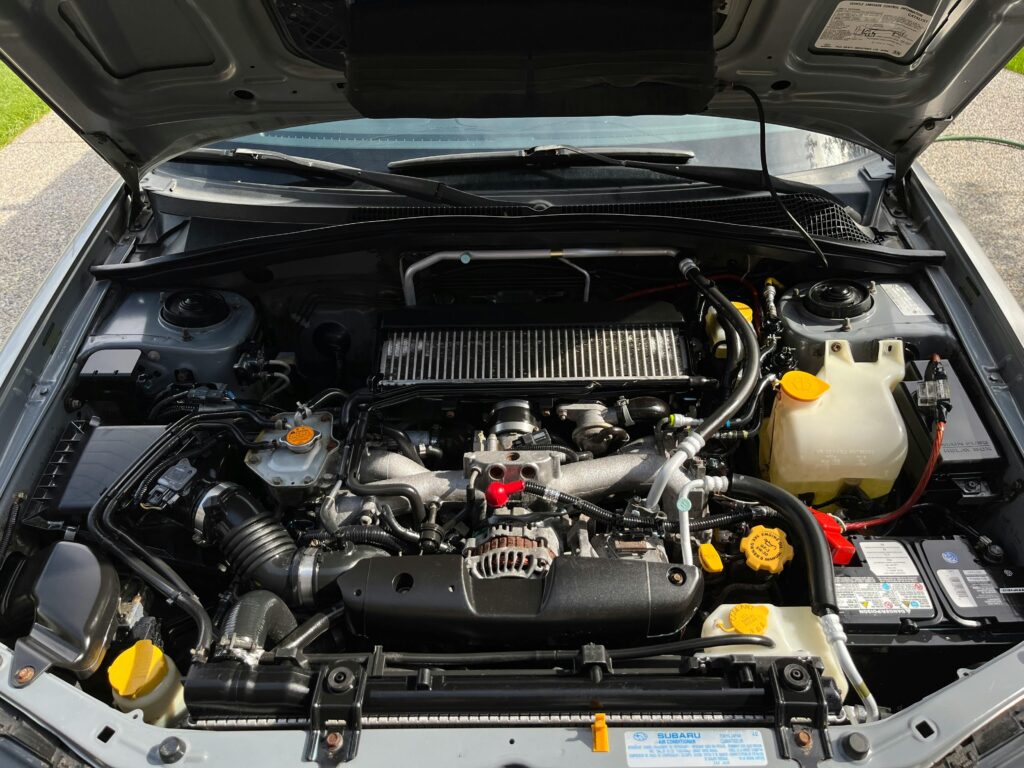
Learn what P0171 means, the most common causes, and a step-by-step diagnostic plan using fuel trims and simple tests—no guessing.
Affiliate Disclosure: Some links below are affiliate links. As an Amazon Associate, I earn from qualifying purchases. (paid link)
What P0171 actually means (and what it doesn’t)
Code P0171 means the engine computer had to add more fuel than normal to keep the air/fuel ratio correct—usually because the engine is getting too much air (unmetered) or not enough fuel.
It does not automatically mean:
- “Replace the O2 sensor”
- “Replace the MAF sensor”
- “Replace the fuel pump”
Those can be causes, but the fastest fix comes from a structured diagnosis.
Common symptoms with P0171
- Rough idle (often worse cold)
- Hesitation on acceleration
- Reduced MPG or “surging”
- Sometimes misfire codes (P0300–P030x)
- Check engine light that comes and goes
Step 1: Check fuel trims (the quickest truth)
If you have a scanner that shows live data, look at:
- STFT (Short Term Fuel Trim)
- LTFT (Long Term Fuel Trim)
Basic interpretation
- Positive trims = computer adding fuel (lean condition)
- If combined trims are consistently +15% or higher, you’re likely dealing with a real lean issue
The key test: idle vs 2500 RPM
- High trims at idle that improve at 2500 RPM → vacuum leak is likely
- High trims at idle AND 2500 RPM → fuel delivery issue or MAF under-reporting
Step 2: The most common causes (ranked)
1) Vacuum leak (unmetered air)
Cracked hoses, intake boot splits, PCV leaks, intake gasket seep.
This is the #1 reason P0171 pops up.
2) PCV system issues
A stuck-open PCV valve or torn diaphragm can create a major unmetered air leak.
3) Dirty or skewed MAF sensor
A contaminated MAF can under-report airflow, causing the ECU to command too little fuel.
Affiliate link (MAF cleaner)
Shop MAF Sensor Cleaner on Amazon
4) Exhaust leak upstream of the O2 sensor
Fresh air entering the exhaust can trick the sensor readings and drive trims.
5) Low fuel pressure / delivery issue
Weak pump, clogged filter (if serviceable), restricted line, or injector flow issues.
Step 3: Simple checks before you buy parts
- Inspect intake boot (top and underside)
- Look for cracked PCV hoses
- Verify air filter box is sealed properly
- Check oil cap and dipstick seated (yes, it matters on some engines)
- Listen for a whistle/hiss at idle
Step 4: A vacuum gauge can save hours
A vacuum gauge can quickly show if the engine has an air leak or mechanical issue.
It’s not the only test—but it’s cheap and fast for DIY diagnostics.
Affiliate link (vacuum gauge)
Shop Automotive Vacuum Gauges on Amazon
Step 5: “Clean MAF” the right way
If you decide to clean the MAF:
- Use MAF-specific cleaner (not brake cleaner)
- Spray the sensing elements lightly
- Let it dry fully before reinstalling
- Don’t touch the element with tools or fingers
Step 6: Confirm the fix with data
After a repair:
- Reset trims (clear codes) only after you record the original data
- Drive and watch trims return near normal range
- If trims improve but aren’t perfect, you may have multiple small leaks
Use AI to get the fastest diagnosis plan
To get a targeted plan, paste into WrenchWizardAI:
- Year/make/model/engine
- P0171 plus any other codes
- STFT/LTFT at idle + 2500 RPM
- Any recent work (battery disconnect, intake work, plugs)
If you’re tired of guessing, hit Start Free Diagnosis on WrenchWizardAI and paste your trims + code. You’ll get the top likely causes and the next tests in order.