
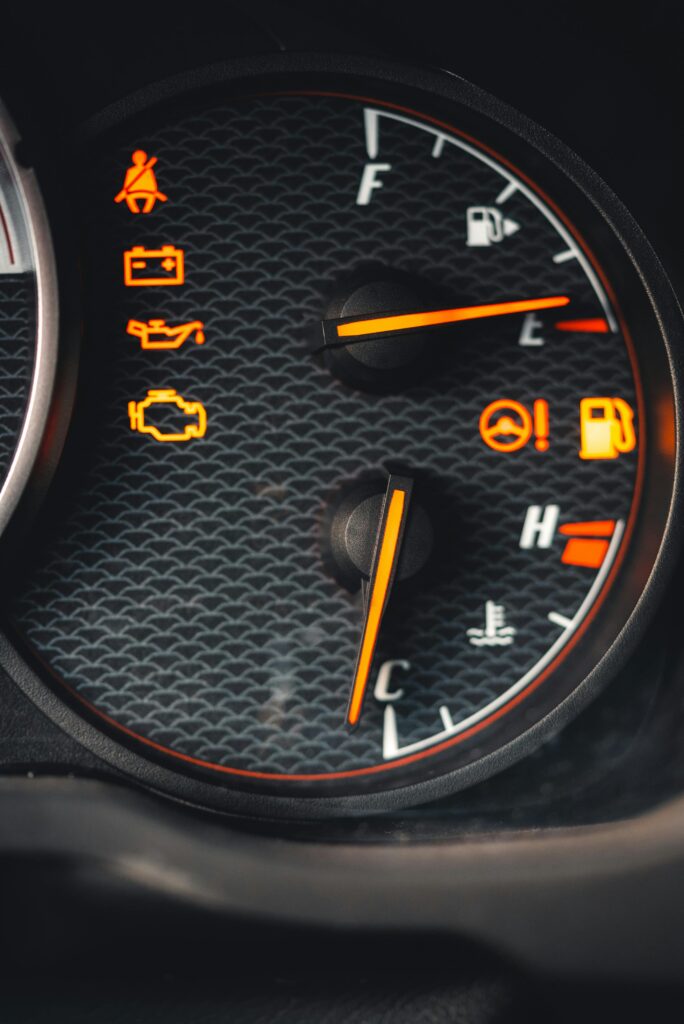
Engine overheating? Use this step-by-step checklist to diagnose coolant leaks, thermostat issues, fans, and head gasket warning signs.
Affiliate Disclosure: Some links below are affiliate links. As an Amazon Associate, I earn from qualifying purchases. (paid link)
Overheating isn’t one problem—it’s a system problem
Engines overheat because heat isn’t being:
- Removed (coolant flow, radiator, fan)
- Controlled (thermostat)
- Contained (leaks, pressure loss)
- Or because combustion gases enter the cooling system (head gasket)
Step 1: Safety first
Never open a hot cooling system. Let it cool down fully.
Step 2: Check coolant level and obvious leaks
Look for:
- Wet spots under car
- White crusty residue around hoses
- Coolant smell
- Damp radiator end tanks
- Heater core smell inside cabin (sweet odor)
Step 3: Pressure testing is the fastest leak-finder
A cooling system pressure tester pressurizes the system so leaks show up without guessing.
Affiliate link (coolant pressure tester)
Shop Cooling System Pressure Tester Kits on Amazon
Step 4: Use an infrared thermometer to find “cold spots”
A clogged radiator or stuck thermostat can create uneven temperature across hoses/radiator sections.
Affiliate link (infrared thermometer)
Shop Infrared Thermometers on Amazon
Step 5: Fan operation and airflow checks
If it overheats at idle but cools at speed:
- Fans not turning on
- Fan relay/fuse issues
- Bad fan motor
- AC pressure sensor logic (varies by vehicle)
If it overheats at speed:
- Coolant flow issue
- Radiator restriction
- Thermostat
- Low coolant or pressure loss
Step 6: Thermostat and water pump clues
- Heat comes and goes → thermostat sticking
- No cabin heat + overheating → low coolant or air pockets
- Coolant leaks near pump/weep hole → pump failing
Step 7: Head gasket red flags (don’t ignore these)
- Bubbles in reservoir after start
- Coolant loss with no visible leak
- Sweet exhaust smell / white smoke (sometimes)
- Overheats quickly after startup
- Oil looks milky (not always)
Use AI to sort the most likely causes fast
Paste into WrenchWizardAI:
- When it overheats (idle vs highway)
- Whether cabin heat works
- Coolant level behavior
- Any leaks you see
- Any temperature readings you captured
Use Start Free Diagnosis and get a prioritized cooling-system test plan tailored to your vehicle.